

In-vivo Curative Efficacy of Bioactive Compounds from Alstonia boonei against Plasmodium berghei Malaria
Article Sidebar
Main Article Content
Abstract
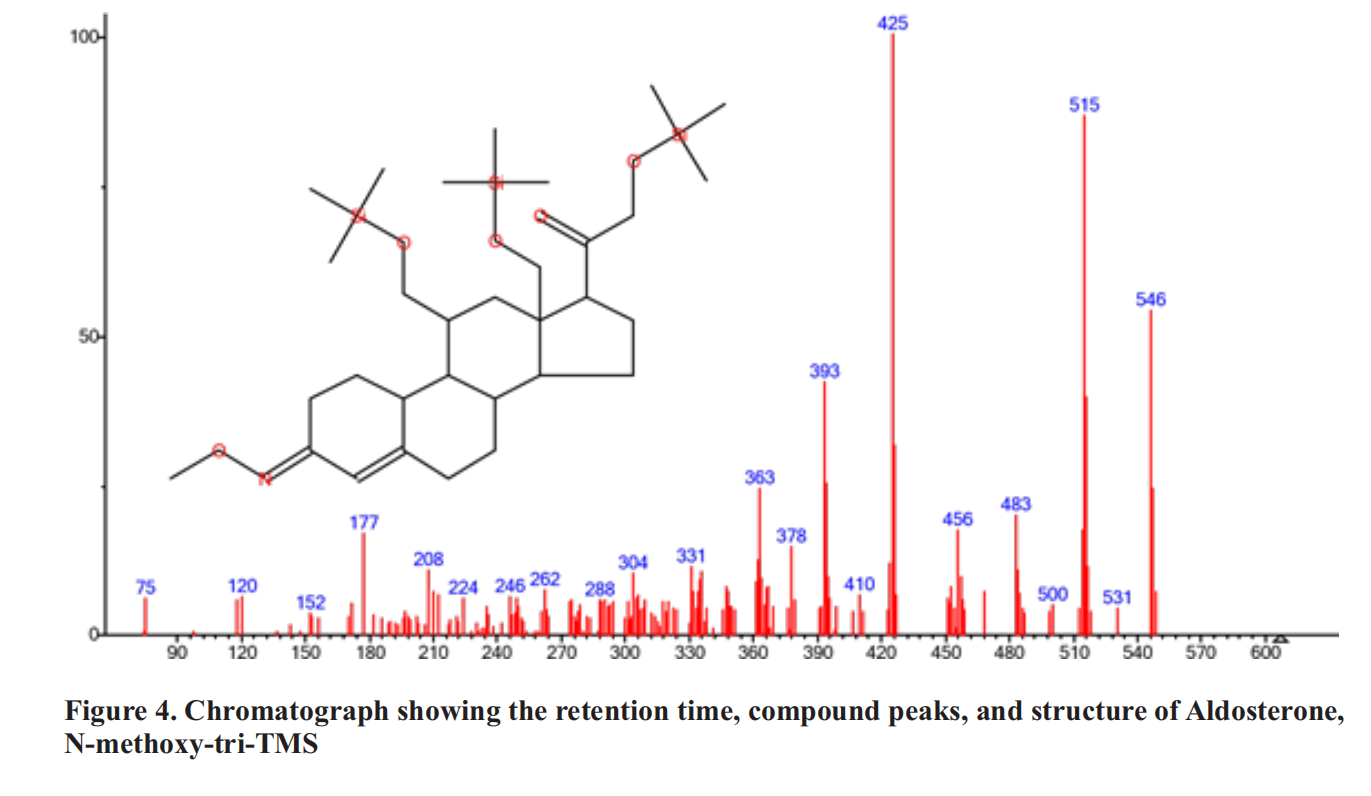
The escalating resistance of malaria parasites to current drugs necessitates the discovery of novel antimalarial agents. Medicinal plants used in traditional medicine, such as Alstonia boonei, represent a promising source for the discovery of new drugs. Thus, this study investigated the curative antimalarial activity of bioactive compounds isolated from A. boonei extracts. Bioactive compounds were isolated from the ethanolic and aqueous extracts of the A. boonei leaf, stem bark, and root using acid/base fractionation. The structural elucidation was achieved via GC-MS, IR, and NMR spectroscopy. The curative activity of each isolated compound was evaluated in Plasmodium berghei NK65-infected mice at doses of 100, 200, and 400 mg/kg body weight. Parasitaemia suppression was assessed microscopically. Six compounds were identified: 1,3,5-Triazine, 2-methylamino-4,6-bis(nonafluoro-tert-butyl) (leaf/aqueous); androsta--2,4,16-triene-3,6,17-triol, tri-TMS (stem bark/aqueous); 1-Oxo-forskolin (root/aqueous); Aldosterone, N-methoxy-tri-TMS (leaf/ethanolic); Hecogenin acetate (stem bark/ethanolic) and βeta-Dithiodilactic acid (root/ethanolic). All compounds produced a significant (p < 0.05) dose-dependent suppression of parasitemia. The most efficacious compound, an Aldosterone derivative, achieved 70.94% suppression at 400 mg/kg. The significant parasitemia clearance demonstrates that these bioactive compounds from A. boonei possess potent in vivo antimalarial activity. These compounds represent promising candidates for further investigation and development into novel antimalarial therapies.
Article Details

This work is licensed under a Creative Commons Attribution-NonCommercial-NoDerivatives 4.0 International License.
References
World Health Organization. (2019). World malaria report 2019. World Health Organization, Geneva. https://www.who.int/publications-detail-redirect/9789241565721
Dkhil, M. A., Al-Quraiishy, S., Al-Shaebi, E. M., Abdel Gaber, R., Thagfan, F. A., & Quasemm, M. A. A. (2021). Medicinal plants as a fight against murine blood-stage malaria. Saudi Journal of Biological Sciences, 28, 1723–1738. https://doi.org/10.1016/j.sjbs.2020.12.014
Shibeshi, M. A., Kifle, Z. D., & Atnafie, S. (2020). Antimalarial drug resistance and novel targets for antimalarial drug discovery. Infection and Drug Resistance, 13, 4047–4060. https://doi.org/10.2147/JDR.S279433
Nnamonu, E. I., Ani, O. C., Ugwu, F. J., et al. (2020). Malaria prevalence in rice farm settlements, South East Nigeria. International Journal of Tropical Disease and Health, 41(9), 64–74. https://doi.org/10.9734/ijtdh/2020/v411930319
Afolabi, O. J., & Abejide, A. E. (2020). Antiplasmodial activities of Morinda lucida and Alstonia boonei in mice infected with Plasmodium berghei. Bulletin of the National Research Centre, 44, 85. https://doi.org/10.1186/s42269-020-00342-8
Lestari, E., Setyaningrum, E., Wahyuningsih, S., et al. (2023). Antimalarial tests and GC–MS analysis of snake plant extracts. World Journal of Biology, Pharmacy and Health Sciences, 15(2), 91–97. https://doi.org/10.305747wjbphs.2023.15.2.033
Farooqi, S. S., Naveed, S., Quamar, F., et al. (2024). GC–MS characterization and antioxidant activity of barley seed extract. Heliyon, 10, e27297. https://doi.org/10.1016/j.heliyon.2024.e27297
Imam, A. A., Atiku, M. K., Muhammad, I. U., et al. (2017). In vitro antimalarial activity of Alstonia boonei stem bark extracts. Journal of Pharmaceutical Research International, 19, 1–10. https://doi.org/10.9734/ARRB/2017/36235
Adotey, J. P. K., Adukpo, G. E., Boamah, Y. O., & Armah, F. A. (2012). Ethnobotany and pharmacology of Alstonia boonei. ISRN Pharmacology, 2012, 587160. https://doi.org/10.5402/2012/587160
Imieje, V. O., & Amafili, L. N. (2025). GC–MS profiling and antimalarial activity of Ricinodendron heudelotii extracts. Science of Phytochemistry, 1, 1–8. https://doi.org/10.58920/sciphy0401281J
Odugbemi, T. O., Akinsulire, O. R., Aibinu, I. E., & Fabeku, P. O. (2007). Medicinal plants for malaria therapy in Southwest Nigeria. African Journal of Traditional, Complementary and Alternative Medicines, 4(2), 191–198. https://doi.org/10.4314/ajtcam.v412.31207
Ogbuehi, I. H., & Ebong, O. O. (2015). Traditional malaria treatment in Onitsha, Nigeria. Greener Journal of Medical Sciences, 5(1), 1–18. https://doi.org/10.15580/GJMS.2015.1.051114384
Ebiloma, G., Amlabu, E., Atanu, F. O., et al. (2012). Effects of Alstonia boonei on hematology of mice infected with Plasmodium berghei. Hematologia, 1(1), 11–18. https://doi.org/10.3923/hematol.2012.11.18
Babatunde, O. (2017). GC–MS analysis of Alstonia boonei extracts. African Journal of Pharmacy and Pharmacology, 12(46), 577–581. https://doi.org/10.5897/AJPP2017.4864
Madhiri, R., & Vijayalakshini, G. (2018). Phytochemistry and pharmacology of Alstonia genus. Pharma Tutor, 6, 50–55. https://doi.org/10.29161/PT.v6.i1.2018.50
Muhseen, Z. T., Hameed, A. R., Al-Bhadly, O., et al. (2021). Computational analysis of antimalarial natural products. Computers in Biology and Medicine, 134, 104415. https://doi.org/10.1016/j.compbiomed.2021.104415
Umebese, C. E., Abiodun, O., & Gbotosho, G. O. (2016). Antimalarial activity of medicinal plant extracts in Nigeria. Parasitology Research, 115(1), 299–305. https://doi.org/10.1007/s00436-015-4747-x
Eswaraiah, G., Peele, K. A., Krupanidhi, S., et al. (2019). GC–MS and anticancer evaluation of Lumnitzera racemosa. Journal of King Saud University – Science, 32, 780–783. https://doi.org/10.1016/j.jksus.2019.01.014
National Research Council. (2011). Guide for the care and use of laboratory animals (8th ed.). National Academies Press.
Nanven, A. F., Nannim, N., Monday, E. A., et al. (2024). GC–MS and antimalarial activity of Salix ledermanni. Tropical Journal of Natural Product Research, 8(11), 9121–9130. https://doi.org/10.26538/tjnpr/v8i11.22
Wong, K., Osman, H., Parumasivam, T., et al. (2021). Antimalarial evaluation of Dendrocalamus asper. Journal of the Turkish Chemical Society Section A, 8(4), 995–1002. https://doi.org/10.18596/jotcsa.904529
Chea, A., Hout, S., Long, C., et al. (2006). Bioactive compounds from medicinal plants. Chemical & Pharmaceutical Bulletin, 54, 1437–1440. https://doi.org/10.1248/cpb.54.1437
Saleh, B., Staniak, M., Czopek, K., et al. (2019). Therapeutic potential of forskolin. Applied Sciences, 9(19), 4089. https://doi.org/10.3390/app9194089
Winter, R. W., Kelly, J. X., Smikstein, M. J., et al. (2006). Antimalarial acridone optimization. Expert Opinion on Therapeutic Patents, 16(1), 47–56. https://doi.org/10.1016/j.exppara.2006.03.014
Omonirri, M. A., Madubuogwu, N. U., Oraekei, D. I., et al. (2021). Antimalarial and hypoglycemic activity of diosgenin. GSC Biological and Pharmaceutical Sciences, 15(3), 73–79. https://doi.org/10.30574/gscbps.2021.15.30102